I’ve seen this movie before.
Years ago, when I was still writing a regular column for the Finger Lakes Times and working as a reporter for FingerLakes1.com, I found myself in the middle of a local debate in Seneca Falls. The proposal was simple enough: Build a modern Circle K on a prominent corner, replacing an aging historic building.
The reaction was anything but simple.
Preservationists objected. Neighbors worried about traffic and “community character.” Others insisted something “better” would come along if the town just said no.
In this case, that “something better” eventually became senior housing. But at the time, there was no concrete alternative on the table. Just a shared hope among Circle K opponents that the market would magically deliver one.
Context mattered then, and it matters now. What was missing from that debate was the reality that Circle K wasn’t just trying to add another gas station. It was trying to consolidate two nearby stores into one modern location.
When the project was killed, the more robust of those two stores closed. The smaller one limped along.
That mattered more than many people realized.
The former village had already lost its last grocery store years earlier. That Circle K wasn’t just selling coffee and lottery tickets. It was where seniors without cars bought milk and bread. Where younger residents without reliable transportation picked up essentials. Where workers stopped daily because Tops and Walmart were effectively another town away.
Those voices were easy to dismiss during public hearings. They always are.
To be fair though, Seneca Falls eventually got housing at that corner. The historic building was reused. The outcome many opponents hoped for did, in fact, happen. And that’s great — it’s a beautiful structure that was preserved and used in an awesome way.
That’s the part people remember.
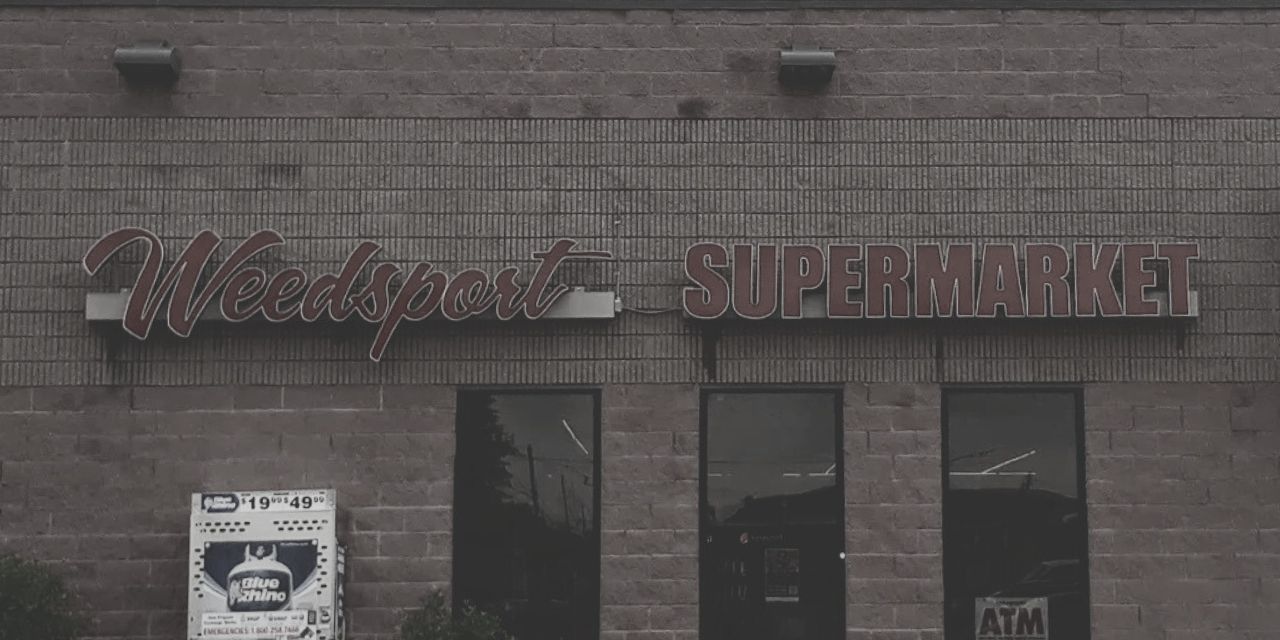
In the last year, Byrne Dairy shuttered its convenience store on Fall Street — right in the former village. It opened a larger, modern store on the edge of town, near Walmart and Tops.
Perfect for drivers. A problem for those aforementioned seniors and people without reliable transportation.
The old Shurfine grocery store is gone. Now Byrne Dairy wants to redevelop the site as a gas station and convenience store.
The reaction is familiar: We already have gas stations. We need a grocery store. We should build something else.
That “something else” remains undefined — as it so often does.
Planners have already done the legwork. Aldi and Wegmans aren’t coming. Family grocers can’t staff second locations. The lot has been available. There isn’t a line out of Weedsport of would be buyers.
Yet the opposition rests on a comforting assumption: If we say no, a better option will appear.
The likely reality though is that it won’t.
There’s a reason convenience stores and Dollar Generals dot small towns across Upstate New York.
They aren’t there because they’re ideal. They’re there because full-scale grocery stores can’t survive on shrinking populations, aging residents, and non-existent margins.
Pretending Byrne Dairy is “just” a convenience store misses the point. In places like Weedsport, it’s often the last remaining form of food access that actually pencils out.
That doesn’t mean there aren’t downsides. Higher prices. Limited selection. Too much junk food. All fair critiques.
But critique is not a plan.
Since that Seneca Falls debate, I’ve served on an historic preservation commission, a zoning board, and a planning commission. And the clearest lesson I’ve learned is this: Wishful thinking is not community planning.
The same people who oppose projects like Byrne Dairy are often the same ones who oppose housing. They want the feel of a small town frozen in time — without acknowledging that market conditions no longer support that version of it.
Small towns that are shrinking cannot sustain the businesses they remember. You don’t get grocery stores without customers. You don’t get customers without housing. And you don’t get either by saying no and hoping for the best.
Seneca Falls took a gamble that worked out. Housing eventually came. That is the exception, not the rule.
In Weedsport, there is no fallback waiting in the wings. Heck, residents aren’t even looking for housing on that site. They’re looking for some form of grocery store, even though the economics of it don’t work. The grocery store already closed. The building is empty.
Doing nothing is still a decision — and it comes with consequences.
Communities can absolutely say no to projects they believe will harm them. But they owe residents honesty about why — and about what the alternative actually is. If there isn’t a market-ready option waiting in the wings, then shouting down a proposal to build something instead of nothing isn’t a serious planning strategy.
Especially not when local leaders then have to explain how nothing is better than a proposal that isn’t perfect.
That’s where credibility erodes. Not because people disagree about a gas station or a convenience store, but because they’re being asked to believe that vacancy, decay, and inaction are somehow preferable to an imperfect attempt to meet real needs.
Planning doesn’t require saying yes to everything. But it does require acknowledging reality and being honest when “no” simply means “nothing.”
Thanks for reading In Focus! Subscribe for free to receive new columns every Sunday!