A couple weeks ago I wrote about the “senior housing trap.” It ended up being one of the most-read pieces I’ve published here, and the response was telling. Readers weren’t just curious — they were frustrated. And for good reason. When you have a broad, systemic housing shortage, carving out small pockets of units for specific groups doesn’t solve the underlying problem.
It just reshuffles scarcity.
That same dynamic shows up every time “affordable housing” gets proposed in a neighborhood. People react. Often emotionally, often based on bad information. One of the most persistent misconceptions is who these projects are actually for.
Most affordable housing isn’t targeted at the poorest residents. It’s pegged to a percentage of Area Median Income. That means many of the people who oppose these developments would qualify to live in them.
Ironic, right?
A project set at 70% of AMI, for example, can translate to households earning roughly $65,000 to $85,000 depending on size — or two adults working typical service-sector jobs in much of the Finger Lakes.
That’s an uncomfortable truth, but it’s not the real problem.
The real problem is the math behind building affordable housing, which is a reflection of the entire housing market and why it’s so expensive to build any of it.
Last week, Governor Kathy Hochul announced nearly $350 million in housing bonds and subsidies to create or preserve 750 affordable units across New York. That headline sounds like progress. But dig into the numbers and it’s less impressive.
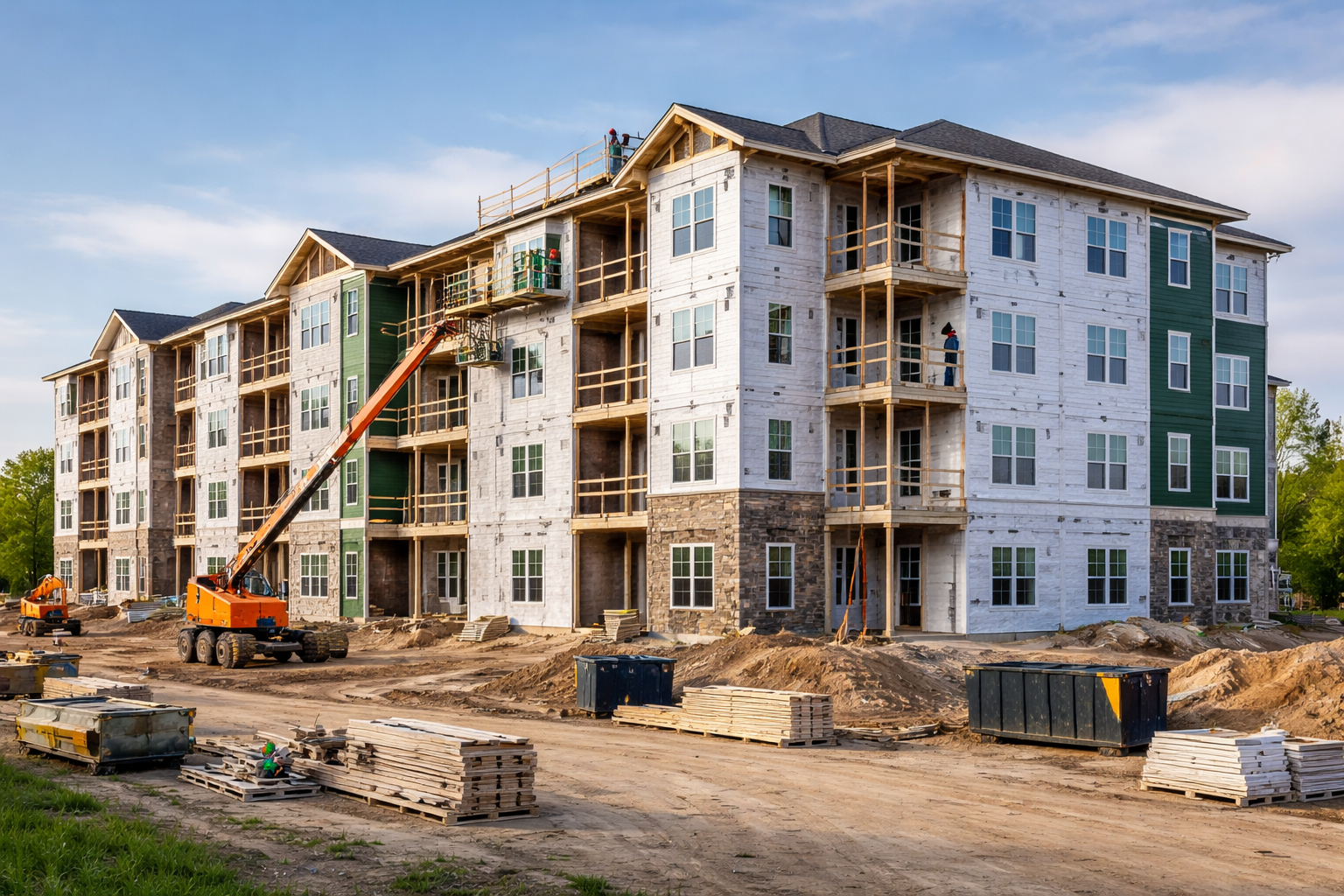
One project in New York City received $73 million to build 142 apartments — about $514,000 per unit. Another in the Capital Region received $128 million to rehabilitate 238 units — roughly $538,000 per unit. Those aren’t outliers. They’re increasingly representative of what it costs to deliver “affordable” housing in New York today.
And to be clear, the state can defend those numbers on paper. Labor costs are high. Materials are expensive. Financing structures are complex. Many of these projects include energy standards, accessibility requirements, and supportive services. In some cases, especially the Albany example, you’re also talking about rehabilitation of aging public housing — not just new construction.
All of that adds cost.
But acknowledging those realities doesn’t make the outcome any less jarring. Because at some point, you have to step back and ask a basic question: If it costs more than half a million dollars to produce a single unit, what exactly are we calling “affordable”?
Affordable for the tenant? Maybe — with a heavy subsidy attached.
Affordable for the taxpayer? That’s much harder to argue.
This is where the conversation usually breaks down. Critics of reform are quick to defend the current system. The regulations are necessary. The reviews are important. The standards protect communities. And in isolation, all of that can be true.
But taken together, they’ve created a system where delivering housing at scale has become extraordinarily difficult, slow, and expensive.
Even the state appears to recognize that. Hochul’s “Let Them Build” agenda is, at its core, an acknowledgment that the regulatory framework surrounding housing production has become too burdensome — particularly under laws like SEQRA, where timelines and uncertainty can stall projects for years.
The problem is that we’re trying to solve a supply crisis with a system that actively suppresses supply. And when supply is constrained, costs don’t just rise — they explode.
So now we’re in a place where “affordable housing” requires massive public subsidy to exist at all. Not because the concept is flawed, but because the environment we’ve built around housing production makes anything else nearly impossible.
That’s the part that should concern people. Regardless of where they fall on the issue.
Because if nearly everything around us is unaffordable, and the system designed to fix it produces $500,000-per-unit housing, then something deeper is broken.
And the question isn’t whether the state can keep funding projects like this. It’s whether it can afford not to change the system that makes them necessary in the first place.
If you’ve enjoyed reading along, or the conversations featured on this substack — consider becoming a subscriber! It’s free and is a great way to support awareness around issues across Upstate New York.