Housing is a touchy subject. Whether you’re talking about tract housing, affordable housing, or something in-between, there’s no shortage of opinions about the problem. Nearly everyone agrees we are in the midst of a housing crisis—not just in New York, but in many places across the U.S. However, finding common ground on solutions is much tougher.
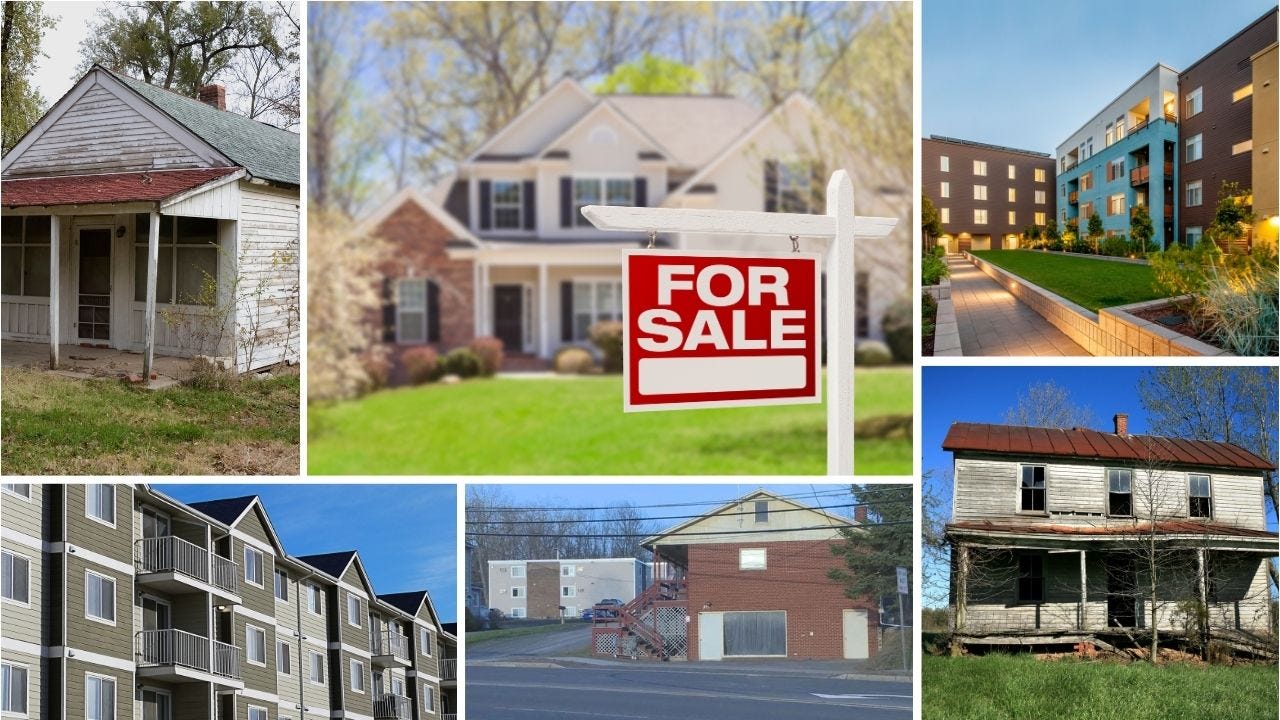
The housing shortage in Upstate New York is at a tipping point. The crisis is a self-fulfilling prophecy, driven by aging housing stock. Communities outside the major metros are getting older, with fewer new units being built. With a shrinking workforce and minimal housing turnover, many areas face declining demand. But, that declining demand hasn’t outpaced the dwindling housing stock on the open market. That’s right, despite there being fewer-than-ever houses for sale, that dwindling demand still outpaces what’s available.
We can think of housing demand in two ways: ‘Market Need’ and ‘Community Need.’ The first is natural, driven by growth, as seen between Canandaigua and Victor. The second, 'Community Need,' arises from deficits in infrastructure, schools, and other community-related services, regardless of market trends. Left unchecked, these deficits threaten the viability of entire towns. We don’t just need more housing to spur economic development. We need more housing to keep communities viable.
Talking about housing purely as an economic issue misses the mark, especially in communities that have faced decades of decline. Government distrust complicates solutions; without trust, government interventions are underfunded and poorly executed. Yet, the housing debate continues at the intersection of economics and government intervention. That has been the playbook set down from Albany.
Opposition to new housing is often rooted in NIMBY-ism (Not In My Backyard) or stereotypes about future occupants. A recent lawsuit in Auburn is a prime example. Over 30 residents filed to block an 80-bed homeless shelter, arguing that the city’s planning board failed to require an environmental impact statement. Allegations of conflicts of interest only further complicate the debate. It’s clear the shelter proposal faces resistance due to fears about how it will impact the neighborhood—fears rooted in perceptions about those who will benefit from the shelter.
In my days as a journalist, I covered a fair share of Article 78’s. It’s a legal mechanism used to challenge decisions made by government agencies or officials. Like in the Auburn situation, the spoken goal is to “address environmental concerns.” However, the practical interpretation, after well-documented opposition, is “we don’t want it here.” To be clear, Article 78’s rarely stop projects, but their effect is chilling to future developers, because it sends a clear message: We don’t want you.
Ontario County's housing situation illustrates how severe the shortage is.
Home prices surged 38.3% from 2017 to 2022, and nearly a quarter of households are "cost-burdened," meaning they spend more than 30% of their income on housing.
Additionally, 23% of households are classified as ‘Asset Limited, Income Constrained, and Employed’ (or ALICE for short) meaning they earn above the poverty level but still cannot afford basic necessities like housing, further exacerbating the affordability crisis.
Rental vacancy rates are critically low, with multi-family complexes reporting just a 2% vacancy rate, well below the healthy market threshold.
The result? Many low- and middle-income residents are left with few options.
Restrictive zoning is a barrier everywhere. Low-density, single-family homes dominate, limiting opportunities for affordable, higher-density housing. Reform is needed to allow more housing, but it’s so much more than that: We need to get back to community building.
Remember what I said earlier about market and community need. In certain zip codes, the market demands more housing. But in many, communities demand more housing if they are to remain viable. There’s broad agreement that a housing crisis exists, but the path forward is muddled by fear and stereotypes. We need to shift the conversation from simply building more houses to rebuilding communities.
More to come on that process in the next edition!
Odds & Ends
Miss my last post about policy decisions and consequences years later? I wrote about that through the lens of a small town in Upstate New York, who’s watching its last walkable convenience/grocery store pack-up and head west.
Say Hello
Have something to say? Comments are turned on, and I’d love for you to leave one if you feel so inclined. If you’d rather send an email—whether it’s a thought on a topic discussed in the newsletter or just an idea that you’d like explored a little more—that works too! Tap the button below and it’ll launch an email that I’ll certainly see within 24 hours.