
We’re just a few days away from Election Day, and I wanted to put together a column touching on the things I’m reading, seeing, and hearing around the Finger Lakes as early voting comes to a close.
No, this won’t follow my usual format, nor will it include any candidate endorsements. Just sharing some notes, links, and ideas I think could be useful as people head to the polls — if they haven’t already.
Nieman Lab is one of those publications I really enjoy reading. As someone who works at the intersection of the media business and community-building, the stuff published there is really useful. Not just to get a feel for what’s happening around us, but to plan for the future.
Two pieces this week stuck out.
The first was about a survey finding that only 32% of Americans have high confidence that news organizations will report midterm election results accurately. On its face, that feels low. About six in 10 expressed at least some confidence, so it’s not as though everyone else has given up on the news business altogether.
But at the same time, I’m not sure how useful another conversation about those numbers is for the people tasked with reporting what’s going on.
My observation of the current moment, and this election cycle in general, I guess, is that people are hungry for change. I’m not saying Facebook or the comment section is a scientific measure of how people feel about the news business. But my experience, however anecdotal, is that there’s less negativity or institutional questioning around content that gets to real solutions.
People don’t need to be told, for the 800th time, who’s to blame for high gas prices. Whether they know or not doesn’t change that they want to hear about what will bring them down. That means talking to policymakers or folks running for office about what they see as viable solutions, then figuring out whether those ideas hold up.
The same goes for local issues like housing or downtown development. Don’t waste your reporting capital talking about the problem and whose fault it is, then finally, after 800 words or more, get to a few buried, vaguely discussed solutions.
Talk about the projects that are stuck first. Talk about what’s holding them up, and the impact getting them to the finish line would have on the community.
As a creative writing professor told me when I was stumbling through a college course in my late teens: Don’t just tell them, show them.
That brings me to the second piece, about how local newsrooms spent $20 million in Press Forward grants. Most recipients received $100,000 over two years.
For most people reading this, that probably sounds like game-changing money. It helped pay bills, retain staff, and give newsrooms room to try things they otherwise couldn’t. But the piece also explored how quickly that money went, and how much remained unresolved when it did.
Money alone doesn’t solve problems. People do. And for better or worse, people need to put their money where their mouth is when it comes to supporting the local news they care about.
Stepping away from the for-profit, advertising-driven model doesn’t change the fact that the bills still need to be paid. Nonprofit newsrooms have to pay reporters, maintain websites, and find enough recurring revenue to keep operating when a grant runs out.
That’s important because whether you find yourself on the left or right, there’s probably an outlet, author, or creator whose work you think matters. If you have the ability to support them, doing that matters, too.
We’re seeing this play out in the creator space. For those who don’t get their news from social media, these are the folks operating independent storytelling platforms on Facebook, Instagram, TikTok and elsewhere. Some focus on a community. Others cover an issue or industry that isn’t getting much attention from traditional outlets.
These people might look like they have significant money behind them. Their content could be really well-produced. But the work they do informing people might amount to little more than a side hustle — if they’re making money at all.
Meanwhile, 59% of American adults say they get news from social media at least sometimes. Some of that comes from traditional news organizations sharing their reporting there. Some comes from independent creators. Either way, there are people doing the work, and it matters whether those consuming it help support them.
There are so many incredible writers and storytellers here on Substack. At some point after the election, I’m going to put together a piece with my favorites. Many share their work for free. Others charge for some or all of it.
News is as much about exchanging and communicating ideas as anything. No matter how many times policymakers talk about throwing some cash at news organizations, or creating tax breaks to help their operations pencil out, they still need people to buy in.
That brings me to the last thing I read this week: the dissolution of the Sea Breeze Fire District in Irondequoit, after more than a century of service.
A lot of the response was, as you’d imagine, a combination of frustration, sadness, and appreciation for the volunteers who kept it going.
According to WROC’s reporting, the district had only eight volunteers left. Its chairman said they’d spent four years trying to recruit more, without enough success to keep operating safely. Point Pleasant will take over coverage, so residents aren’t being left without fire protection.
Still, an institution that served the community for more than 100 years is going away because there weren’t enough people to keep it going.
One resident said she hadn’t realized volunteers were needed and wished she’d known sooner.
I’ll be honest, back when I was a reporter, that type of story was among my least favorite to put together. Not just because it’s sad to see communities lose those institutions and the identity that comes with them, but because of those responses.
Like someone inside the operation failed the community, when the people inside were the ones showing up for years.
Maybe there were better ways to communicate the need. Not everyone can become a firefighter, and knowing about a shortage doesn’t mean someone has the time, health, or flexibility to fill it. Those are fair considerations.
But none of that changes how many people are available when the call comes in.
My guess is we’ll see more fire and EMS services — the volunteer forces especially — merge or shut down across the region in the coming years. When they do, residents will say they can’t believe it, or wish they’d known sooner, like either of those things substantially changes the reality these departments are operating within.
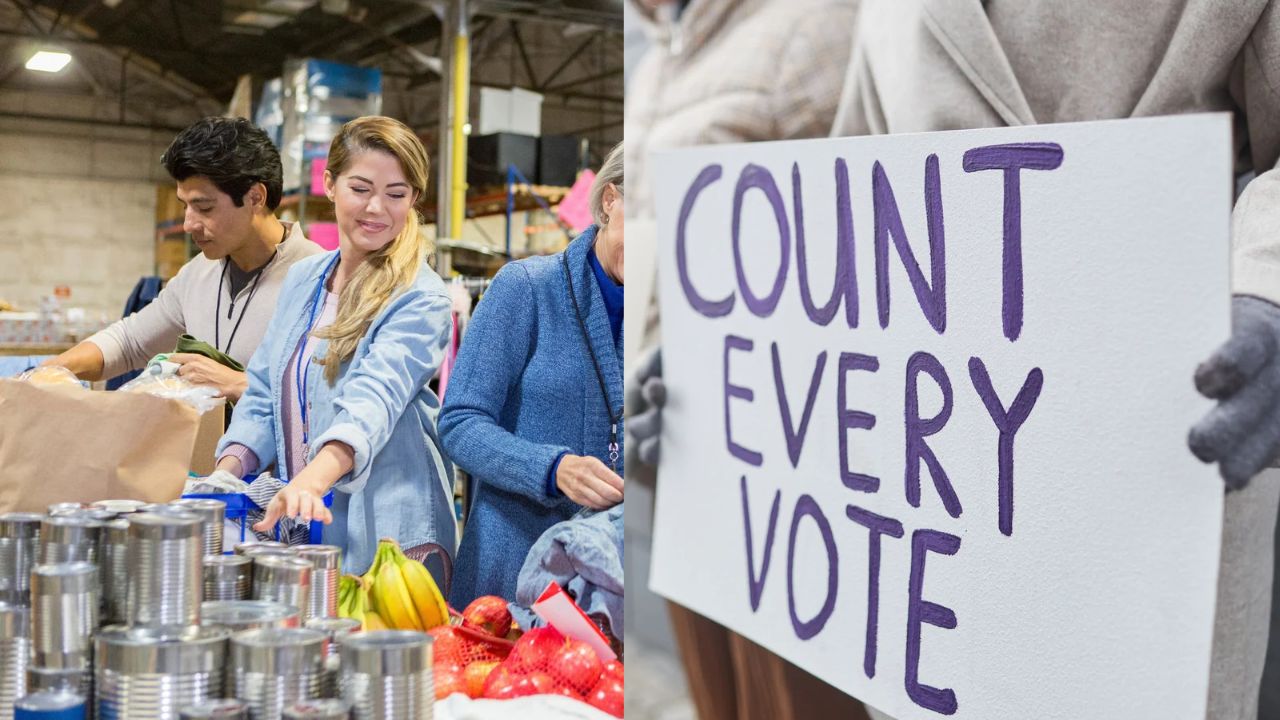
There are elections this week, and casting a ballot matters. It’s significantly harder to keep showing up for your community after the election is over. To support the work you think is important, or give some of your time to an organization you’d be upset to see disappear.
Sure, people have busy lives and are stretched thinner than ever. But we have to accept the consequences that come along with that excuse, or reality, however you want to frame it.
We can want better communities, better information, and stronger services. At some point, though, those things require something from us.
And we most definitely can’t keep leaving that job to the same eight people.
Thanks for reading! If you’d like to see future columns drop your email address in the box below. It’s free, and no, you won’t get spammed. I generally put out one piece per week.