
Today’s newsletter is going to be a little different. There’s a past topic I want to update and a personal note to share, but before we get there I had to write about this interesting story featured this morning on CBS Morning News.
We need to meet the moment with action.
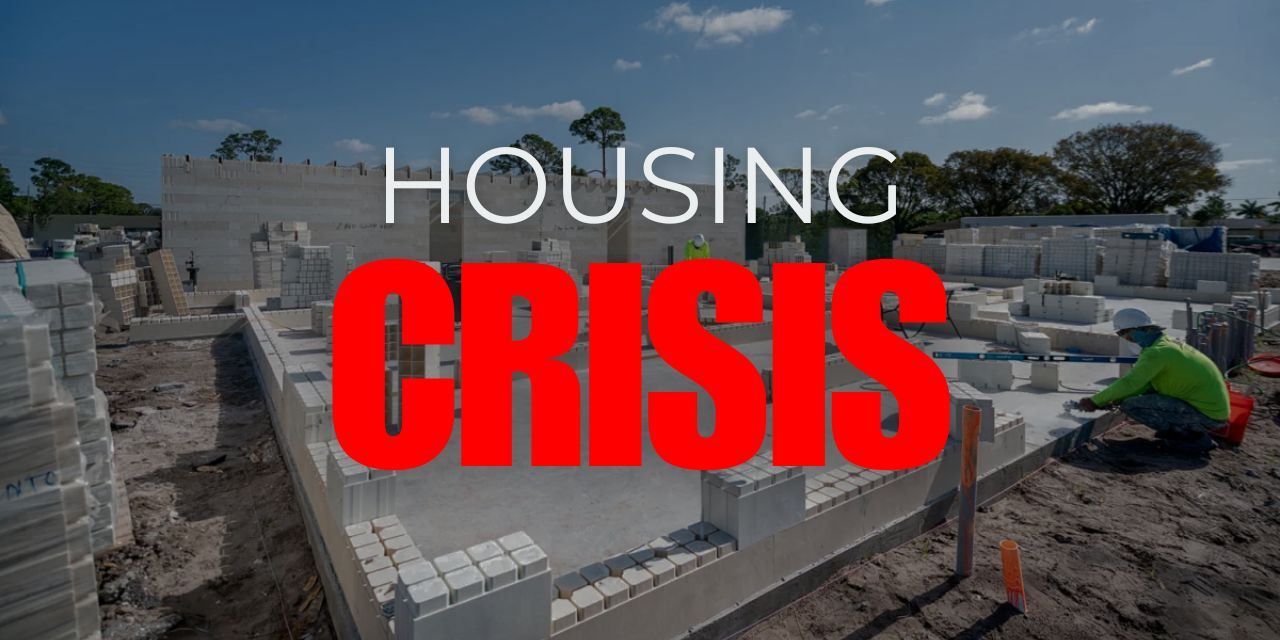
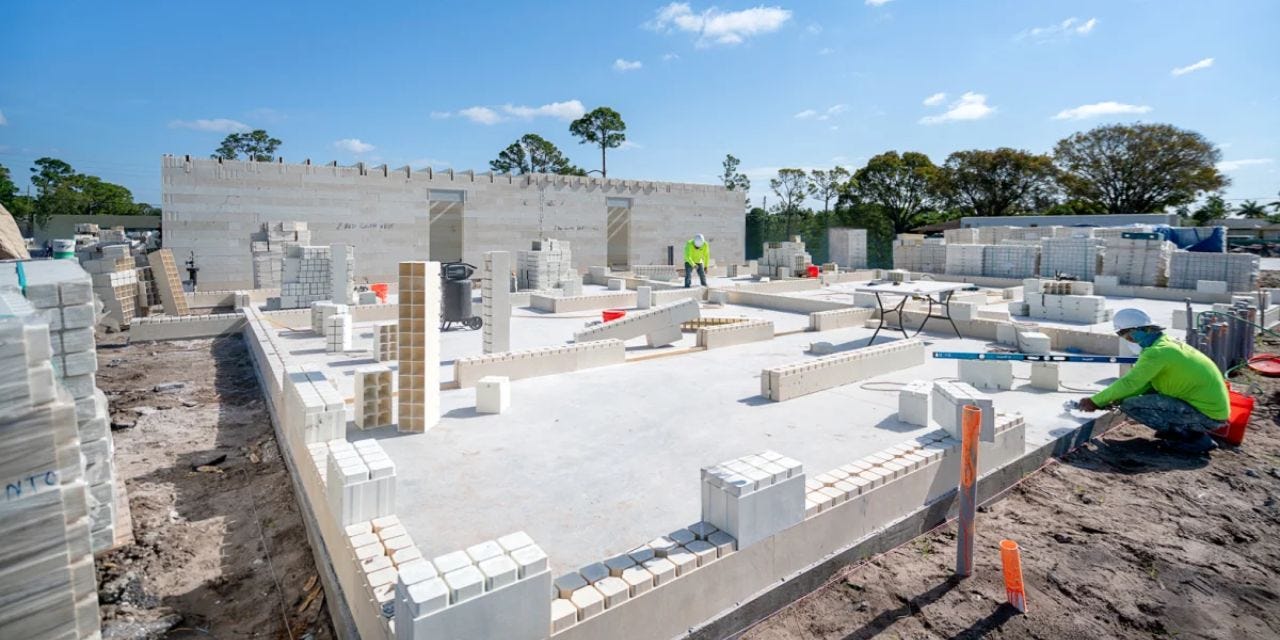
It’s rare to see true innovation disrupt an industry as entrenched as housing. For decades, solutions to the housing crisis have been incremental at best—marginally improving supply while costs continue to spiral. We hear the same issues raised repeatedly about its cause: A shortage of skilled labor, inflated construction costs, and a system stubbornly resistant to change. But Florida-based Renco USA is attempting to upend that paradigm. Their interlocking, “Lego-like” building blocks could redefine how homes are built in the United States if policymakers and communities are willing to embrace it.
Rethinking how we build is crucial.
Renco’s modular system is designed for speed, strength, and sustainability. Unlike traditional construction, which relies on labor-intensive methods, Renco’s blocks can be assembled using just glue guns and mallets. The result? Homes and apartment buildings that go up in weeks instead of months, with a fraction of the workforce required. At a time when labor shortages are crippling the homebuilding industry, this efficiency alone could be a game-changer.
The material itself is interesting too. Renco’s composite blocks are 23 times stronger than concrete and resistant to hurricanes, earthquakes, fire, water, mold, termites, and pests. These blocks meet the moment—whether we’re talking about resistance to fire, winds up to 200 mph, or environmental-friendliness—a lot of boxes are checked off. And because the homes are modular, repairs and expansions are easier than with traditional structures, making them a flexible solution for growing communities.
Cost efficiency is another major factor. Construction costs have skyrocketed in recent years, driven by material shortages, inflation, and supply chain disruptions. This system cuts costs in multiple ways:
Lower labor costs: Workers can be trained in just two hours, eliminating the need for highly skilled labor.
Faster build times: Reducing construction timelines slashes labor expenses and gets homes to market quicker.
Sustainability savings: The blocks are made from 25-50% recycled materials, reducing waste and lowering overall material costs.
And then there’s the environmental impact. Traditional construction is one of the largest contributors to carbon emissions worldwide, but the blocks require significantly less energy to produce than concrete or steel. Their lighter weight (about 20% less than concrete) reduces transportation energy and costs, further shrinking the carbon footprint. They’re a little more costly up-front, but are cheaper to insure and cost about 20% less over their lifetime.
The promise and pushback.
Like any disruptive technology, Renco’s system faces hurdles. Building codes and regulations haven’t caught up to this kind of construction, meaning widespread adoption will be slow unless local governments are willing to adapt. While the material has passed over 400 safety tests, many municipalities still default to traditional construction methods simply because they’re familiar.
There’s also the issue of building height limitations. Currently, the technology is only approved for buildings up to five stories, which could limit its impact in urban markets where taller buildings are needed. That could change soon, as the company is undergoing additional fire-rating tests to gain approval for high-rise construction.
Perception is another challenge. While the material is designed to outlast concrete, some developers and buyers may balk at the idea of homes made from a composite material instead of traditional wood, brick, or concrete.
And then there’s the question of scalability. The Florida factory currently produces enough material for around 6,000 apartment units per year, which is a drop in the bucket compared to national housing demand. Expanding production will be necessary if this is going to be a meaningful long-term solution.
We have to think outside the box, though.
Whether it’s Renco’s technology, or a yet-to-be determined method, cities and developers need to buy in to something new. The U.S. housing market isn’t suffering from a lack of ideas—it’s suffering from a lack of willingness to implement them.
Ultimately, the housing crisis won’t be solved by continuing to build homes the same way we have for the last century. If we’re serious about affordability, sustainability, and resilience, we need to start looking at the next evolution of homebuilding.
Good news in Odessa!
A couple months ago, I wrote about the importance of maintaining local government as the Village of Odessa faced a crisis. With its mayor stepping down and no one interested in filling the seat, the village even considered dissolving its government—because, well, it’s hard to run a village without a mayor. But I’m happy to report that not just one, but four candidates have stepped up to run! Ironically, while the mayor’s seat is now highly contested, a village board seat will likely remain vacant after the election and require an appointment. Still, it’s a promising sign of renewed engagement.
Some personal news.
I don’t often share personal news here, but if you’re still reading, here’s a bit: Last week, I was appointed as an alternate member of the Webster Zoning Board. I’ll probably write more about it over time (and don’t worry, this newsletter isn’t changing because of it), but it was a pretty cool moment for a guy who’s spent years following zoning, planning, and the fight to keep Upstate New York communities functional.
The first five or six years of my career as a journalist were spent covering town and county boards in the Finger Lakes—including zoning and planning meetings. I haven’t been in that role for several years now, but after watching so many communities stuck in the same cycle, debating the same problems without real solutions, I couldn’t help but get involved.