Remember those old "set it and forget it" infomercials? You'd toss in a chicken, twist a few knobs, and then magically walk away until dinner was ready—no more effort required. Well, some communities seem to be taking the same approach with comprehensive plans: A little consultant-led planning, check a few boxes, then forget about it. The problem is, just like leaving a roast unattended for too long, if you don't engage after the plan is complete, things will burn out before you know it.
In response to my recent column about asking ‘why’ before making critical community decisions, one piece of feedback touched on that issue: “Communities should ask residents what before they ask themselves why.” At first glance, this seems like a compelling idea. But here’s the truth: The question of ‘what’ has been asked plenty of times. Comprehensive planning is built around this very idea—what does the community need? What is our vision for the future?
The issue isn’t that no one is asking these questions—it’s that too few people are engaging with the answers. Comprehensive plans, designed to define a community’s goals and needs, are supposed to address the ‘what.’ Yet time and again, residents don’t engage with the process until it’s too late. By the time a project is on the table, the debate is already in motion, and people are reacting to proposals instead of helping shape them from the beginning.
Planning in a Vacuum
Comprehensive planning is slow, methodical work. It typically takes two or three years to complete, and it’s meant to be the backbone of a community’s long-term development strategy. My colleague, Jackie Augustine, often describes comprehensive plans as the guide communities need to solve their biggest challenges. But this guide is only effective if people participate in the process. When residents skip out on those early meetings, they miss their chance to help define the ‘what’ that will shape their town’s future.
As a result, local officials are left making decisions based on limited input and often face polarized, last-minute opposition when projects are ready to move forward. It’s not that elected leaders are intentionally ignoring the comprehensive plan—they’re stuck navigating reactionary debates that arise when residents engage too late.
Growth Doesn’t Mean Losing Character
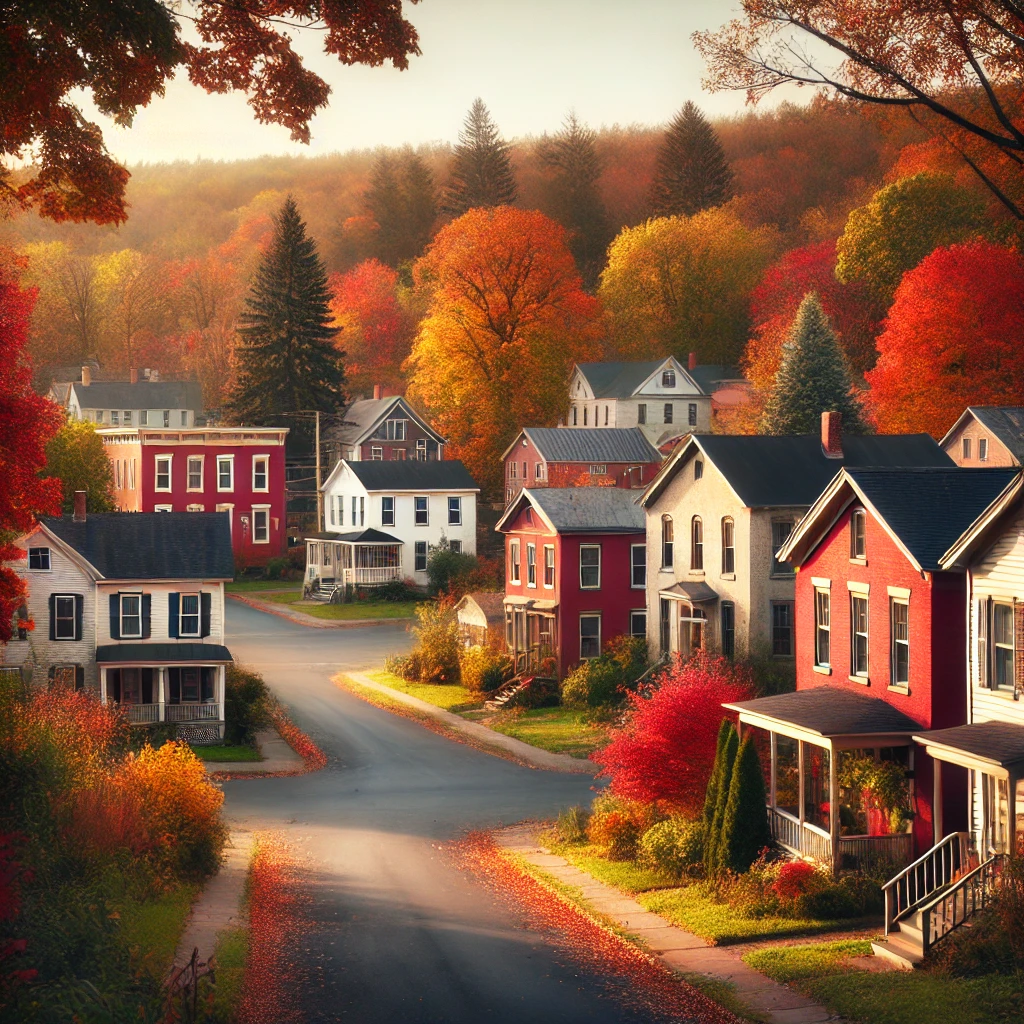
Another point that frequently comes up when I advocate for growth is the assumption that growth means a loss of character or the kind of development that changes the fabric of the community. But that’s not what I’m talking about. The reality is, most small towns in Upstate New York have been shrinking for decades—20 to 40 years in many cases. Growth, for these communities, isn’t about transformation; it’s about restoration.
When I say growth, I mean getting these communities back to the population numbers of their past. A lot of towns are operating as though it’s still 1980 or 1990, even though they know—deep down—that things have changed dramatically since then. Getting back on track requires looking forward and addressing the deficits that have accumulated over decades, not just preserving what’s left.
What Should a Small Town Prioritize?
So, what does a small town in Upstate New York need to get back on track? Many of the same things larger towns and cities have prioritized across the U.S. If I were handed the reins for a day, here’s where I would focus—and how some communities across the country have done it successfully:
Refocus on Ward Representation: One of the greatest strengths of old-school village government was neighborhood representation. This kind of localized governance gives residents a direct voice and creates real accountability for elected officials. While cities often have ward systems, towns and villages should embrace this too. Having a representative focus on specific neighborhoods allows for better advocacy and engagement at a grassroots level.
Prioritize Downtown and Access to Downtown: Downtowns are the heart of most small towns, and the way people experience them can make or break community vitality. For those who live close by, downtown needs to be walkable, safe, and inviting. For people coming in from outlying areas, the experience should be frictionless: good parking, easy navigation, and clear pedestrian paths.
Siloam Springs, Arkansas is an example of how small towns can revitalize their downtown. By focusing on pedestrian-friendly streetscapes and ensuring ease of access, they were able to breathe life back into their downtown area, making it a hub of sorts.Maximize Downtown Housing: A thriving downtown depends on more than just businesses—it needs people living there, creating foot traffic and generating word-of-mouth buzz. Increasing downtown housing options creates a built-in customer base for local shops and restaurants, which in turn encourages others to visit and support these businesses. It also opens up the potential for those businesses to expand their hours and services, further boosting downtown vitality.
Lynchburg, Virginia provides a strong example of this. After seeing its downtown hollowed out by suburban sprawl, the city incentivized the development of downtown lofts and apartments. Housing leads to stronger businesses, but opportunities for others—like deeply necessary ones that make a community walkable.Identify Your ‘Sites to Revive’: The Landmark Society’s Five to Revive list is one of the best marketing/rehabilitation strategies I’ve ever seen. Every town has key spaces—whether they’re historic buildings, vacant industrial sites, or neglected commercial centers—that could be revitalized to spark economic growth. Towns should publicly name these spaces and make them a consistent focus in community messaging and economic development initiatives. This can’t just be a one-time mention in a comprehensive plan; it needs to be a drumbeat that continues until action is taken.
Geneva, Phelps, Seneca Falls, and so many other communities have been identified on the Landmark Society’s ‘Five to Revive’ list over the years. While not every project has seen completion—it’s the recognition that development can’t be a passive effort that’s important.Ensure Access to Parks and Green Spaces: Parks are not just amenities—they are essentials for families and communities. Centerpieces, if you will. People, especially those with young children, often decide where to live based on proximity to parks. Neighborhoods with easy access to well-maintained green spaces foster community, improve quality of life, and make towns more appealing to potential newcomers.
Greenville, South Carolina, is a good example of what long-term planning can do on this front. Whether it meant incorporating history into parks, significantly expanding them, or enhancing trail systems—it was all on the table. Can every community pull off what they did to that scale? Probably not. But it can be scaled down to work for communities of all shapes and sizes. Towns that prioritize parks give residents a centerpiece that creates a stronger sense of community.Revisit Old Rejections and Find New Opportunities: Over the last few decades, many small towns have said 'no' to a variety of projects—whether it was a centrally located grocery store, a walkable pharmacy, or some other essential service. It’s time to revisit those decisions and ask if they were made with the future in mind. These are often the services that keep a community functioning and desirable for residents. Even if a project was rejected in the past, reconsidering and finding the right place for it now could be the key to revitalization.
Reconsidering past ‘no’s’ also means thinking creatively about what services your community is lacking. Could a walkable convenience store help the elderly population? Could more mixed-use spaces combine residential, commercial, and recreational facilities in ways that benefit all residents? These are the types of questions towns should ask when reassessing past decisions.
The Bottom Line
If communities want to shape their own futures, they need to define the ‘what’ before they start asking ‘why.’ Engaging with the comprehensive planning process is key. It’s not about sacrificing a community’s character or rushing into unchecked growth—it’s about thoughtfully restoring what has been lost, refocusing priorities, and ensuring small towns can thrive again.
The future of these towns won’t be saved by saying ‘no’ to everything. It’ll be saved by residents and leaders showing up, asking the right questions, and being willing to engage with the planning process long before it’s too late.
Say Hello
Have something to say? Comments are turned on, and I’d love for you to leave one if you feel so inclined. If you’d rather send an email—whether it’s a thought on a topic discussed in the newsletter or just an idea that you’d like explored a little more—that works too! Tap the button below and it’ll launch an email that I’ll certainly see within 24 hours.