How many times can a company fail before we’re allowed to call it what it is?
Because that’s where we’re at with New York’s utility companies.
For years, residents have watched their electric bills climb. For years, local governments have been told growth is coming. For years, developers have been encouraged to build housing. For years, state leaders have pushed electrification, data centers, and economic development projects that require more power.
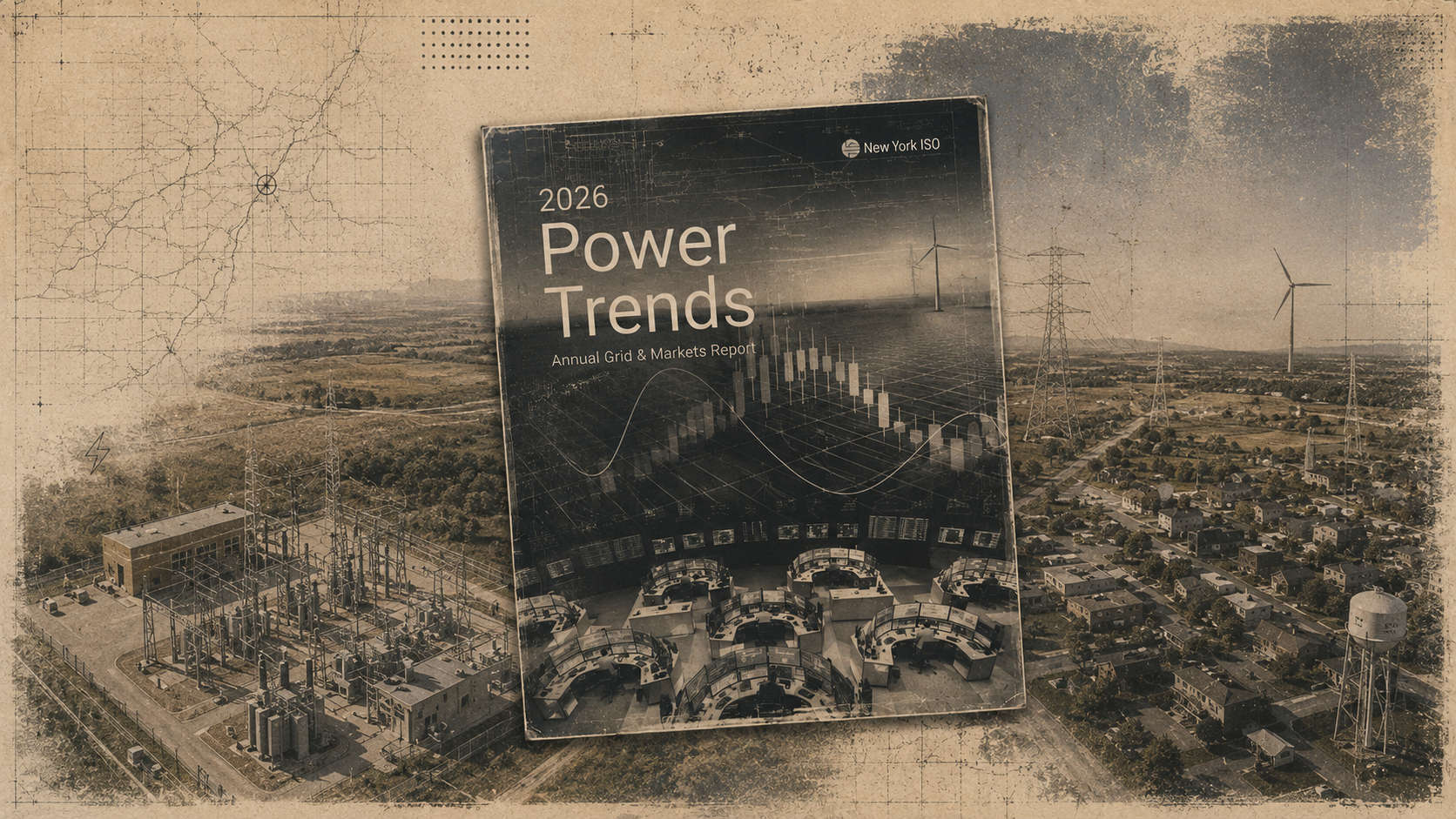
And for years, the companies responsible for delivering that power apparently looked at all of it and decided it wasn’t urgent. How bad is it? New York Independent System Operator’s 2026 outlook paints a bleak picture.
Across Upstate New York, developers are being told projects may require millions of dollars in utility upgrades. Housing developments that communities desperately need are being delayed, scaled back, or abandoned altogether because nobody can get a straight answer about whether enough power exists to serve them. Economic development officials are finding out halfway through projects that electrical capacity isn’t available where everyone said it would be.
The most maddening part isn’t that mistakes were made. It’s that absolutely none of this was unpredictable.
The utility companies knew population was growing in places like Victor and Farmington. They knew electrification was coming. They knew electric vehicles were coming. They knew state climate policies were coming. They knew demand was increasing. They knew infrastructure was aging — it was decades old when they took ownership of it.
And now, after years of underinvestment, they’re showing up with their hands out.
Want to build housing? Pay more. Want to attract employers? Pay more. Want reliable service? Pay more. Want the grid modernized? Pay more.
Everyone pays except the people who were supposed to prevent the problem in the first place.
Seven years.
Imagine any other business missing performance benchmarks for seven straight years and still being allowed to explain that things are moving in the right direction.
Imagine hiring a contractor who failed the inspection seven years in a row and then asked for another raise. Imagine buying a vehicle that broke down every year for seven years and being told the solution was to send the manufacturer more money.
The utility companies blame aging infrastructure. But who owns the infrastructure?
They blame weather. As if storms were invented last year. They blame trees. They blame demand. They blame growth. They blame electrification.
They blame just about everything except the decades of decisions that left the system unable to handle conditions everyone knew were coming.
And that’s the part that should infuriate ratepayers. Because these aren’t startups trying to figure things out. These are monopoly utilities.
They don’t operate in a competitive market. Customers can’t simply leave. Most people don’t get to shop around for delivery service. The entire justification for granting utility monopolies extraordinary protection is that they are supposed to provide reliable service and make the investments necessary to maintain it.
That’s the deal.
Customers surrender choice. Utilities provide reliability. Instead, customers surrendered choice and got excuses — a seemingly endless list of them, too.
Meanwhile, Albany’s answer seems to be sending rebate checks.
Think about how absurd that is. Utility rates go up. The state sends residents a check. The money comes from taxpayers. Then, utility rates go up again. Nothing about that approach solves the problem.
The problem is a utility system that spent years falling behind while regulators watched, politicians looked elsewhere, and ratepayers kept footing the bill.
The irony is that the same communities being told they need more housing are now being told they need taxpayer-funded grants, tax abatements, and public subsidies simply to overcome electrical infrastructure deficiencies.
We’ve reached a point where local governments are discussing whether public money should be used to help developers pay for utility upgrades that arguably should have existed before the project was ever proposed.
Read that sentence again.
The public is being asked to subsidize the consequences of private utility failures.
If utilities need rate increases, prove meaningful, consequential investments are happening. Not the kind that just get the grid to a standard it should’ve been at a decade ago. To a standard that can withstand a couple years of modest growth.
If infrastructure is inadequate, explain why executives and regulators missed the warning signs. If reliability targets are missed, the penalties should hurt. A few million isn’t nearly enough. And if it keeps going — their license to continue operating under the status quo should disappear.
Most importantly though, stop pretending this crisis arrived out of nowhere.
The grid didn’t wake up one morning and discover it was old. Demand didn’t suddenly appear. Growth didn’t materialize overnight. The people running these companies saw all of this coming.
Don’t let anyone tell you otherwise.
Thanks for following along! Each week I release a column or interview focused on community growth and sustainability. You can subscribe for free below.