
Last week, I found myself listening to a debate about essential services—those professions we all agree society cannot function without but are often undervalued in government budgets. Police officers, firefighters, health workers—these are the people we rely on most during crises. Yet, despite their critical role, we rarely address the full reality of what it takes to maintain their services.
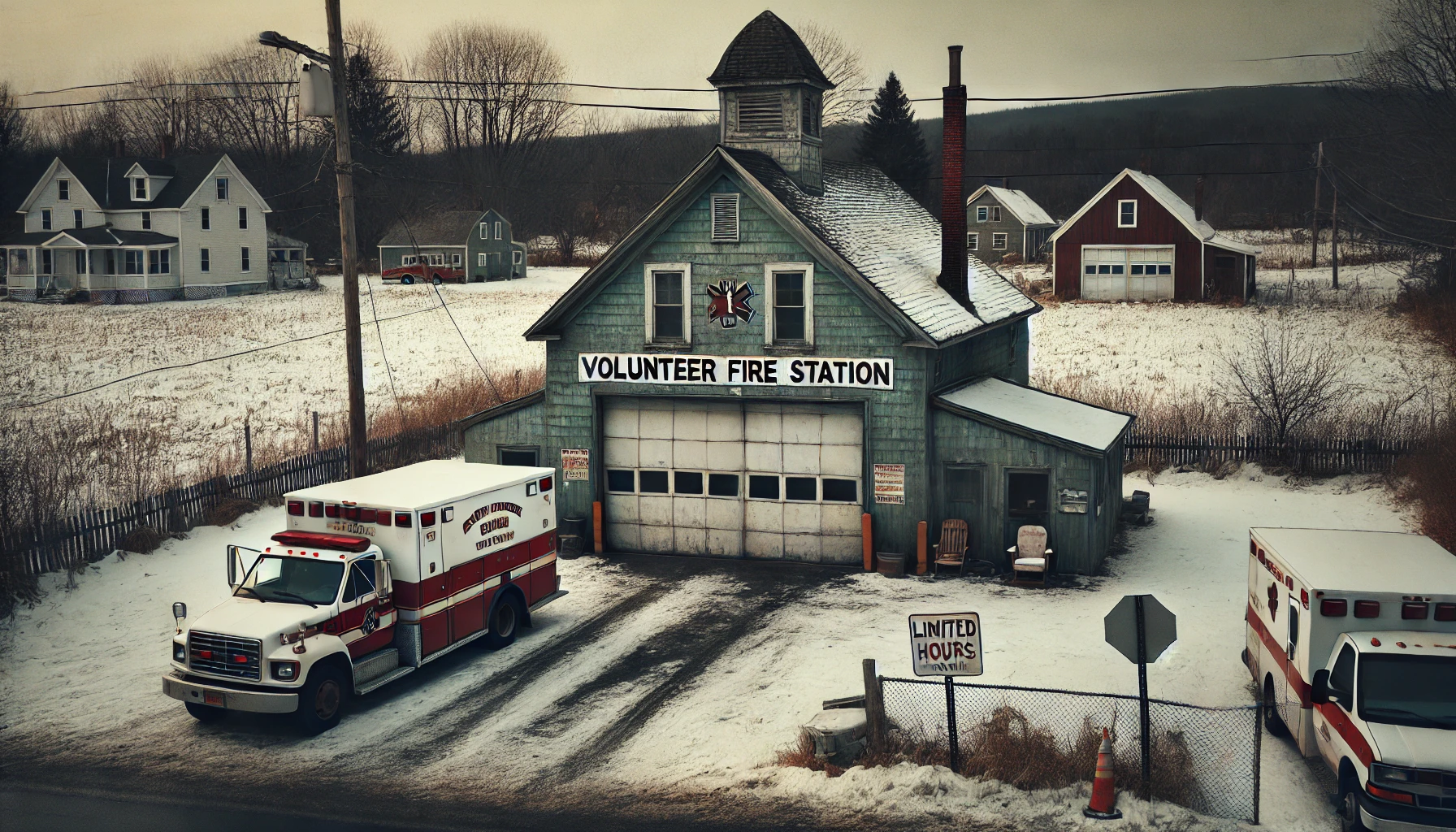
Staffing shortages in healthcare are a glaring example. The affordability crisis gripping the country means that even those tasked with saving lives can barely afford to live in the communities they serve. Similarly, fire and ambulance services, particularly in rural areas, are stretched thin. Volunteer departments, long the backbone of emergency response in smaller towns, are struggling to fill their ranks. In some cases, the closures of volunteer ambulance companies have sparked debates about whether paid, municipal services are the answer.
The city of Canandaigua provides a snapshot of this issue. The fire department’s union argues that staffing levels are dangerously low, while consultants hired by the city claim they are adequate. Meanwhile, residents live with the unsettling question: Are we truly prepared for the emergencies that may come our way?
The Debate We Need to Have
Here’s where we need more honesty in these discussions: At their core, these are dollars-and-cents debates. You cannot claim to prioritize public safety and then balk at the cost. Whether due to political calculations or ideological constraints, we often stop short of funding essential services to the level they require.
Municipalities walk a precarious line, striving to maintain the status quo even when it’s clear that status quo is insufficient. This leaves communities vulnerable, particularly as higher levels of government consider imposing minimum service mandates. The alternative is straightforward but uncomfortable: Acknowledge that essential services cost money—and that the burden will often fall hardest on communities with shrinking tax bases and aging populations (who need those services the most).
What Are We Willing to Risk?
The dollars-and-cents question boils down to this: How much destruction of property or loss of life are we willing to accept to keep taxes low? It’s easy to dismiss these scenarios as hypothetical until a house burns down because the fire truck arrived too late, or a life is lost because an ambulance was 25 minutes away. What happens when two (or more) emergencies occur simultaneously in a community already struggling to staff its response teams? The strain on services isn’t just theoretical—it’s becoming increasingly real.
The wildfires in California offer a tragic reminder that some disasters are beyond our ability to prevent. But when it comes to everyday emergencies—house fires, medical emergencies, car accidents—the decisions we make about staffing and funding directly impact outcomes.
As populations decline and costs rise, the challenge for local governments will only grow. Consolidation of services, regional cooperation, and shared resources may be necessary to ensure adequate coverage. But none of these solutions come cheap, and they all require something even harder than funding: Collective buy-in.
Reframing the Conversation
If we want to avoid reactionary debates every time a crisis arises, we must shift our mindset. Essential services are not luxuries—they are the foundation of a functioning society. Investing in them is not about spending for today; it’s about building a system that can withstand the challenges of tomorrow.
The question is not whether we can afford these services but whether we can afford to go without them. As residents, taxpayers, and voters, we owe it to ourselves—and each other—to have a direct, honest conversation about the true cost of safety. Only then can we begin to address the growing gaps in our communities with the seriousness they demand.