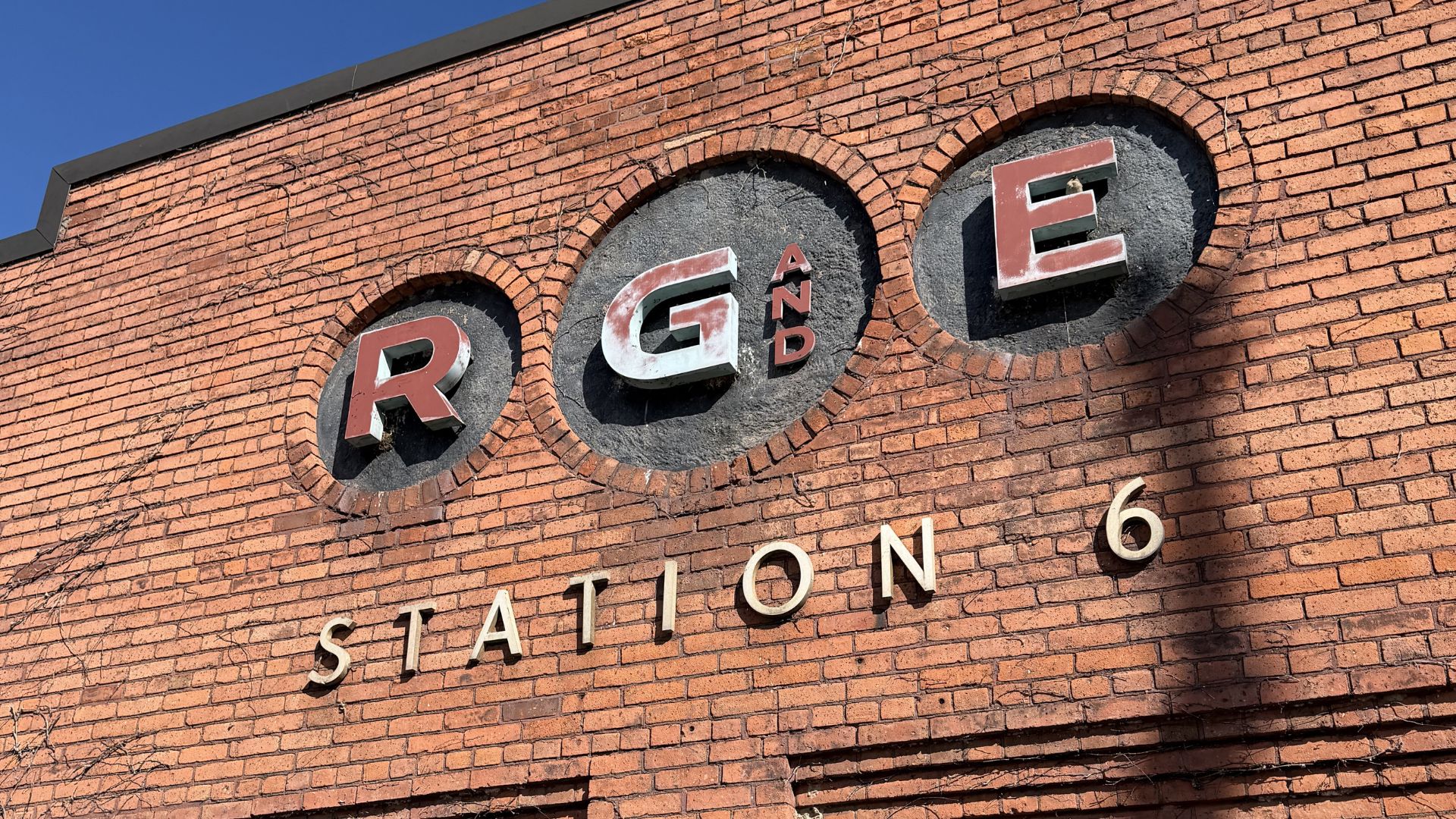
A colleague who’s a reporter in Western New York sent me a utility press release this week — one issued by New York State Electric & Gas and Rochester Gas and Electric warning that delaying grid upgrades will lead to higher costs, longer outages, and greater risk — and asked a simple question: What do you make of this?
I had another column ready to go. But after reading the release — and more importantly, how it was framed — I pumped the brakes and decided to write about it here. Not just what utilities are saying about the grid, but how the entire system behind it actually works (which I wrote about last fall, too).
Because if you only read the headlines, you’d think this is a straightforward debate: Invest now, or pay more later.
It’s really not that simple, though.
Last fall, I wrote about this exact dynamic — the growing disconnect between what utilities call “investment” and what customers actually experience when those investments show up on their bills.
The core question then was simple: Who’s paying for all of this, and why does it feel like the risk isn’t shared?
That question hasn’t gone away. If anything, it’s getting harder to ignore.
The latest messaging from utilities like NYSEG or RG&E follows a familiar script. The grid is aging. Storms are getting worse. Reliability is at risk. And if regulators don’t approve major upgrades now, customers will face higher costs down the road.
Some of that is true. But what’s missing is just as important as what’s included.
First, the framing. The argument being made is not “this plan is the most efficient way to improve the grid.” It’s “if you don’t approve this, things will get worse.” That’s a subtle way of moving the burden away from providing value and onto avoiding risk.
That matters, because in a regulated system, utilities are not taking on risk the way a typical business would.
They operate under a cost-of-service model. When infrastructure projects are approved by the New York Public Service Commission, those costs are added to what’s known as the rate base. From there, customers repay the full cost over time through their bills — including financing — while shareholders earn an approved return.
In plain terms: The spending gets paid back, with profit, as long as regulators sign off.
That doesn’t mean grid upgrades aren’t needed. They are. Parts of New York’s system are decades old, and in some cases, nearing the end of their useful life. Reliability challenges are real. Transmission constraints are real, too.
The system was absolutely not built for what’s being asked of it today.
But it does mean the incentives are not neutral.
Capital-heavy projects expand the rate base. And the rate base is where returns are generated. The more approved spending, the larger the base, the more predictable the earnings.
That’s not a conspiracy. It’s the structure regulators created to ensure utilities could raise capital. But it also explains why “we’re investing billions” should not be taken at face value.
Because those billions are not a gift or private investment. They’re your dollars.
The press release leans heavily on storm damage to make its case — citing major outages from recent wind and winter events. Again, those examples are real, but they’re doing a lot of rhetorical work. What’s not addressed is whether the proposed investments would have meaningfully reduced those outages.
Power outages are caused by an array of factors — including weather and raw use. Throwing capital at the system does not automatically solve operational shortcomings. And without clear data showing how past spending improved outage frequency or durability, there’s no guarantee that more spending will deliver different results.
That’s another gap in the conversation.
Utilities point to billions already invested in recent years. What they don’t consistently show is what customers got for it. Not in measurable, comparable terms. Not in a way that clearly ties spending to performance improvements.
If the system is still this fragile — still this exposed to storms, still this constrained — it’s fair to ask why.
The answer is a tough pill to swallow for customers who’ve watched their bills skyrocket over the last several years: Much of this work is not new. It’s delayed.
The grid didn’t suddenly age. It’s been aging for decades. Upgrades were deferred when the political appetite for higher rates wasn’t there. That kept bills lower in the short term. It also created a backlog that’s now colliding with something else entirely.
Demand.
Electrification, renewable mandates, large-scale manufacturing, data centers — all of it is arriving at once. The system that was “good enough” is now a bottleneck. And the cost of fixing it is landing at a moment when affordability is already stretched thin.
Which brings us back to the most glaring omission in the current messaging: Actual affordability.
Utilities say it’s a priority. But they rarely quantify it in ways that matter to households. What does this plan add to a monthly bill? How does that stack on top of other increases? What happens to customers already struggling to keep up?
Without those answers, “affordability” is just a talking point.
The real debate here isn’t whether to modernize the grid. That part is settled. It’s about how that modernization happens, how costs are allocated, and whether the system is designed to reward outcomes — or simply spending.
Are we prioritizing the projects that deliver the greatest reliability gains? Are we measuring whether those investments actually reduce outages or lower long-term costs? Are alternatives being considered, or is the default always more capital?
And maybe most importantly: Are customers being asked to take on all the risk?
Because right now, that’s what this looks like.
Pay more now, avoid potential problems later — with limited transparency into whether those problems would actually be solved, and no guarantee that future costs won’t rise anyway.
That’s not a strategy. It’s a structure.
And until that structure is part of the conversation, these debates are going to keep sounding the same — even as the bills keep going up.
Thanks for reading In Focus! Subscribe for free to receive new posts and support my work.