
I’ve written multiple versions of this column now, after residents of one Finger Lakes town were sent notices about reassessments. My inbox exploded, as misinformation spread like wildfire on social media. It centered around how the assessment process works, the math behind it, and what reality is of the housing market in even the so-called worst communities around here.
At the end of the day I understand the frustration, but here’s the problem: There is no boogeyman at your town hall. The assessment process, as complex as it might be to the lay person, doesn’t exist to take more of your money. And most importantly, no matter how much worse you believe your community is, it’s actually a place most would choose (and are choosing!) to live.
The idea that someone inside town government is manipulating assessments to squeeze taxpayers is one of the most persistent myths in local politics. But the structure of the system itself makes that basically impossible. Assessors operate under state law and follow standardized valuation models built around real sales data. Those numbers are reviewed through equalization rates, state oversight, and grievance procedures designed specifically to prevent arbitrary valuation.
In other words, the process isn’t perfect, but it also isn’t the conspiracy that Facebook threads often make it out to be.
Every few years reassessment notices arrive in mailboxes and trigger the same reaction: Confusion, frustration, and a wave of posts trying to make sense of the numbers.
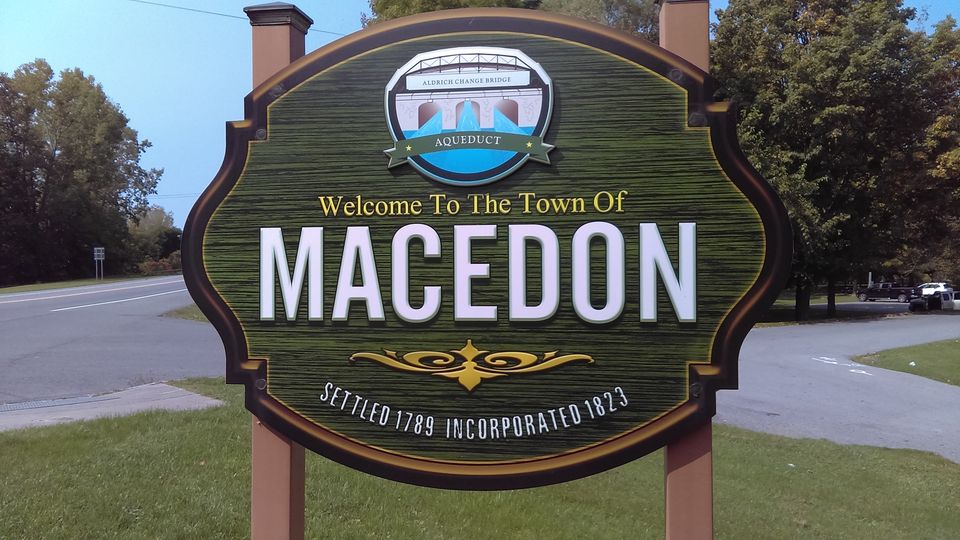
That’s happening right now in Macedon. Some residents opened their notices to see assessed values jump dramatically — sometimes by six figures. On its face, that’s alarming. Especially if you’re in the second half of a 30-year mortgage, or have owned your home since, say, the 1980s or 1990s. But the conversation that followed online has drifted away from reality, and that’s where it becomes a problem. Because misinformation doesn’t help homeowners challenge an assessment — it makes it much harder.
And if we’re being honest, what’s playing out in Macedon isn’t unique. It’s a pattern we’ve seen repeated across rural and small-town Upstate New York for decades. Communities shrink. Housing supply remains tight. Homeowners either carry long-term mortgages or own their homes outright. Then when property values finally catch up with reality, the response isn’t curiosity about how the system works — it’s outrage on Facebook.
That cycle has become almost predictable.
What is a reassessment?
A property reassessment is not a tax increase. It’s a recalibration of value.
The assessor’s job is to estimate the market value of every property so the tax burden is distributed fairly among property owners. Under New York’s Real Property Tax Law, properties must be assessed at a uniform percentage of market value. When several years pass between reassessments, those values drift further from reality. Some homes become significantly under-assessed relative to their neighbors. Others become over-assessed. Reassessment corrects that imbalance.
The most important thing to understand is that assessments do not determine how much money local governments collect in taxes. Budgets determine that. School districts, counties, and towns set their tax levy through the budget process. Assessments simply determine how that fixed amount is divided among property owners.
Think of it like slicing a pie. The size of the pie is set by the budget. Assessments determine how large each slice is. If your property value rises more than your neighbors’, your slice gets bigger. If it rises less, your slice gets smaller. But the pie itself doesn’t suddenly grow because the slices were recalculated.
Why rising assessments shouldn’t be surprising.
One of the arguments floating around online is that housing prices are falling, which supposedly makes reassessment increases suspect.
That claim doesn’t match what the housing data actually shows.
In Macedon, the median listing price in February sat around $368,650, with the average listing price exceeding $382,000. Median prices are still up roughly 6 percent compared to a year ago, while average prices have risen more than 10 percent. That’s not a collapsing market — it’s a market that has continued climbing.
And that’s not even drawing comparison to what prices looked like 5-10 years ago.
Inventory also remains extremely tight. In February there were only five active listings on the market, while twelve homes were already pending sale. That means there were roughly 2.7 pending homes for every active listing available.
In simple terms: Demand significantly outweighs supply.
Homes are taking longer to sell than they did a year ago — about 61 days on average compared to roughly 40 previously — but that reflects a market cooling slightly from pandemic-era speed, not one collapsing in value. Even with that slowdown, the number of available homes remains incredibly limited.
All of this matters because assessors are legally required to reflect market reality. If home values across a community have risen over many years, assessments eventually have to catch up.
Think about what a home cost a decade ago. Then think about any listing you’ve seen in the last few months. Even if you’re convinced the market has cooled, it’s still red hot compared to the reality of that market in 2015 or 2016.
The biggest myth about reassessments
The most common misunderstanding is also the most consequential: The belief that if your assessment doubles, your taxes will double.
That’s just not how the system works.
When property values increase across an entire town, the tax rate adjusts downward. This happens because the tax levy — the total dollars that need to be collected — doesn’t change simply because assessments increased. Instead, that levy is spread across a larger tax base.
The Town of Macedon’s budget was a little over $11 million in 2025. Budgets cannot, and rarely do increase, at more than a modest percentage per year. That actually is the biggest reminder that it’s a good sign if everyone got assessments they’re upset about. Because if most of the community’s assessment increased dramatically — then your individual tax burden will probably remain flat.
There will be some outliers, yes, but those are just that. Outliers who were previously not paying their fair share of the aforementioned pie.
Bottom line: Taxes only change significantly when your property’s value moves differently than the broader market.
Why the tax estimates on notices look so bad
Another source of confusion is the estimated tax figures printed on reassessment notices.
These numbers apply current tax rates to the new assessed values, which produces projections that look dramatically higher than reality. What those estimates do not account for is the rate adjustment that happens when the new assessment roll is finalized.
In other words, they apply yesterday’s tax rate to tomorrow’s property values.
That’s why they appear inflated. Confusing? Absolutely. Illegal? No. They’re simply incomplete projections required as part of the notification process.
How to challenge an assessment if it’s wrong
None of this means assessments are always perfect. If you believe your assessment is inaccurate, New York provides a clear process to challenge it.
Start by requesting the data used by the assessor. You are entitled to that information. Then research comparable properties that sold within the last year or two that match your home in size, age, condition, and location.
If the numbers still don’t add up, file the form required before Grievance Day and present the evidence to the Board of Assessment Review. If that grievance is denied, homeowners can pursue a review in court.
But successful challenges rely on evidence — not speculation. Zillow estimates, Facebook gossip, or gut feelings about what a home “should” be worth won’t carry weight in that process.
The uncomfortable truth about Upstate housing
The deeper issue here isn’t just confusion about assessments. It’s the mindset that has taken hold in many rural communities.
When populations shrink people expect taxes to stay the same. But there’s fewer people to pay for the same core services — so that’s not possible.
When housing supply is so restricted it slows sales or shrinks the number of active listings — people think they live in an undesirable community or homes should be worth less. But that’s just a reflection of housing supply and the reality that a lot of people are priced out of the market.
Here’s the thing, though: Even communities that residents describe as struggling remain highly desirable places to live.
Macedon is a perfect example. Despite complaints that the area is declining — buyers are still competing for the tiny number of homes on the market. Prices continue to rise year over year. Demand still far outpaces supply.
If someone truly believes their home isn’t worth what the assessor says it is, there’s a simple test: Put it on the market.
List it for the assessed value — or better yet, add another $25,000 or $50,000 and see what happens. In most parts of the Finger Lakes and Western New York, you’ll likely get the number. Possibly more.
The reality is that reassessments don’t create economic change in a community. They simply reflect it.
And sometimes that reflection is a tough pill to swallow.
Thanks for reading In Focus! Subscribe for free to receive new columns every week.